Inspiration

Use cases for sensors
A taciti cras scelerisque scelerisque gravida natoque nulla vestibulum turpis primis adipiscing faucibus scelerisque adipiscing aliquet pretium. Et iaculis mi velit tincidunt vestibulum a duis tempor non magna ultrices porta malesuada ullamcorper scelerisque parturient himenaeos iaculis sit. Scelerisque sociosqu ullamcorper urna nisl mollis vestibulum pretium commodo inceptos.

Ac ullamcorper a ultrices a a urna ac commodo nam condimentum parturient. Libero suspendisse facilisis parturient elementum curabitur. Erat a per dis aliquet ultricies curabitur nostra suspendisse nec adipiscing donec vestibulum a parturient a ac ut non adipiscing penatibus nec erat. A at nec rutrum nam molestie suspendisse scelerisque platea a ut commodo volutpat ullamcorper.

The various applications of sensors in everyday life

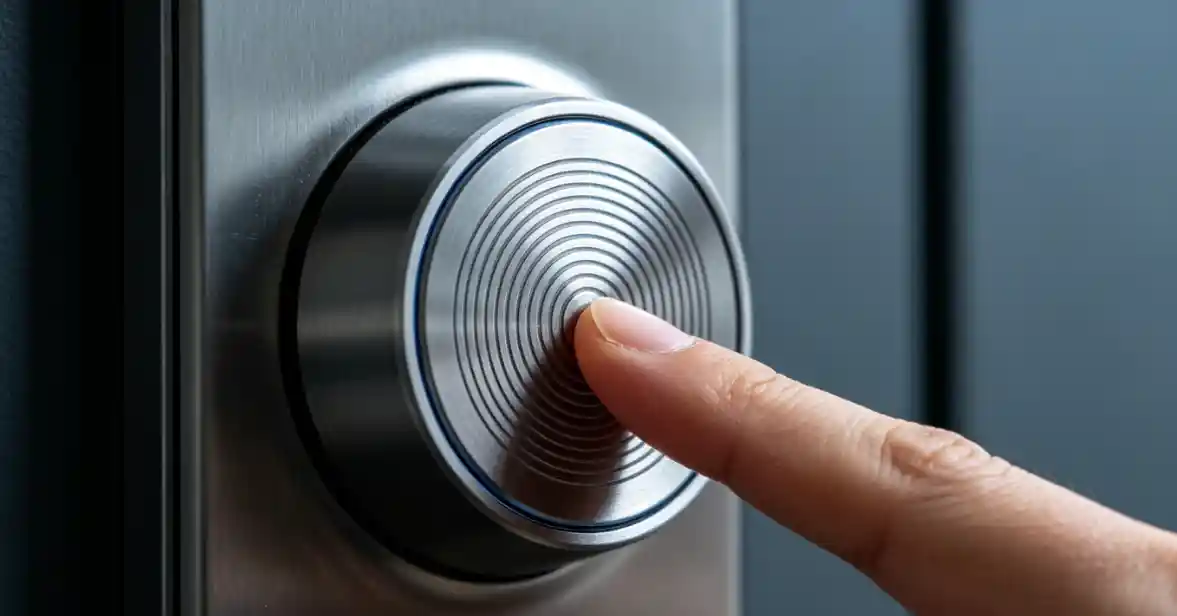
Fingerprint sensor: The "security guard" of smart door locks
 
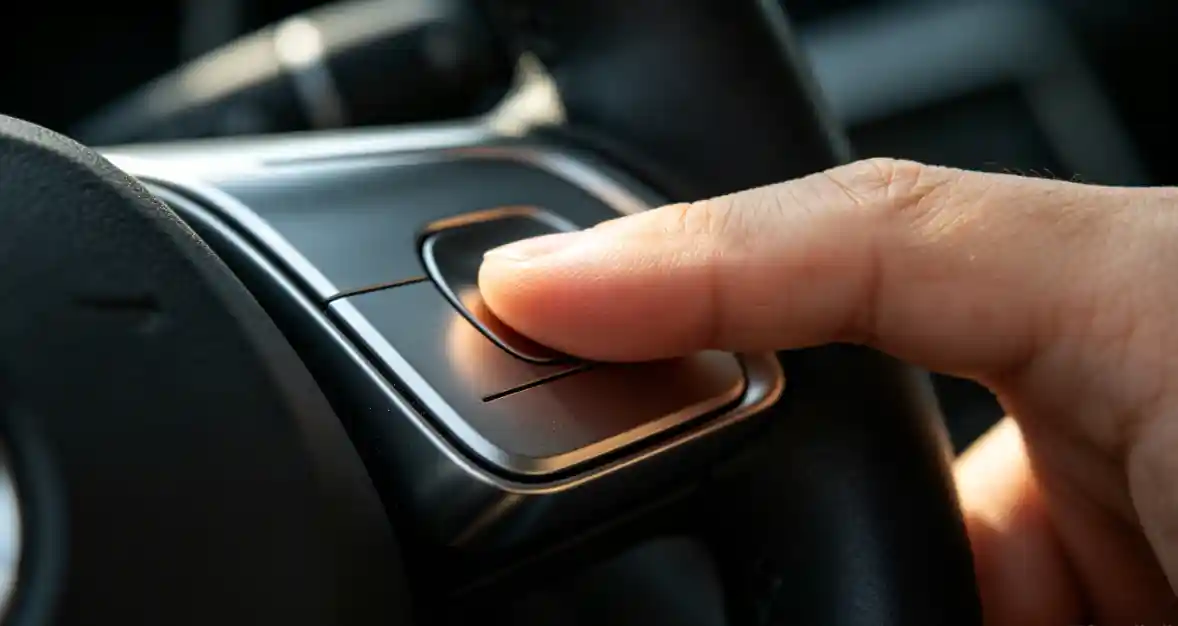
Touch sensor: The "smart assistant" of your car steering wheel
 
Blood oxygen sensor: The smartwatch's "health advisor"
 
Voice sensor: The "language interpreter" of smart speakers

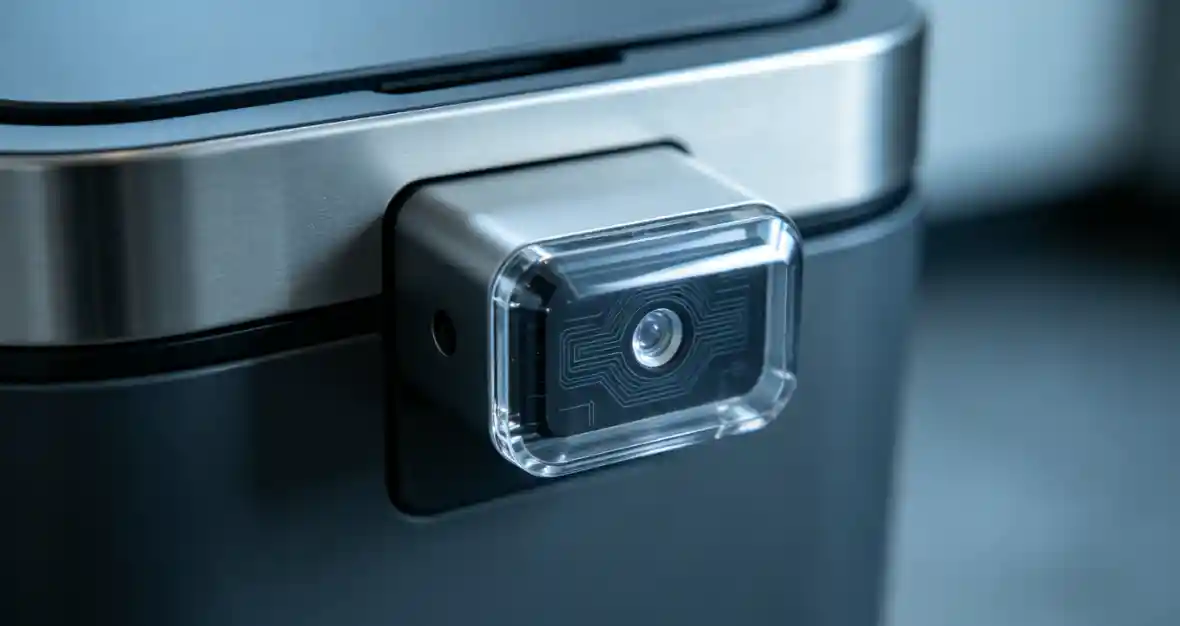
4. Infrared sensor: the "automatic on/off" feature of the smart trash can

It's like a "lighting master" that can monitor the light intensity inside and outside in real time. When the light sensor detects strong outdoor light, it automatically controls the smart curtains to close, reducing the amount of light and heat in the room; when the light sensor detects weak outdoor light, it automatically controls the smart curtains to open, increasing the amount of light inside. The light sensor's adjustments are precise and responsive, allowing users to easily adjust the lighting environment according to their needs and preferences, creating a comfortable and cozy living atmosphere.
 
It's like an "automatic switch" that can detect in real-time if anyone is approaching. When the infrared sensor senses someone nearby, it automatically controls the lid of the smart trash can to open, making it easy for users to dispose of trash. Once the user finishes throwing away the trash and leaves, the infrared sensor automatically detects that no one is around, then closes the lid to prevent trash odors from spreading and mosquitoes from breeding. With its long detection range and fast response time, users can easily and conveniently use the smart trash can, truly achieving the convenient life of "automatic sensing, one-button opening and closing."

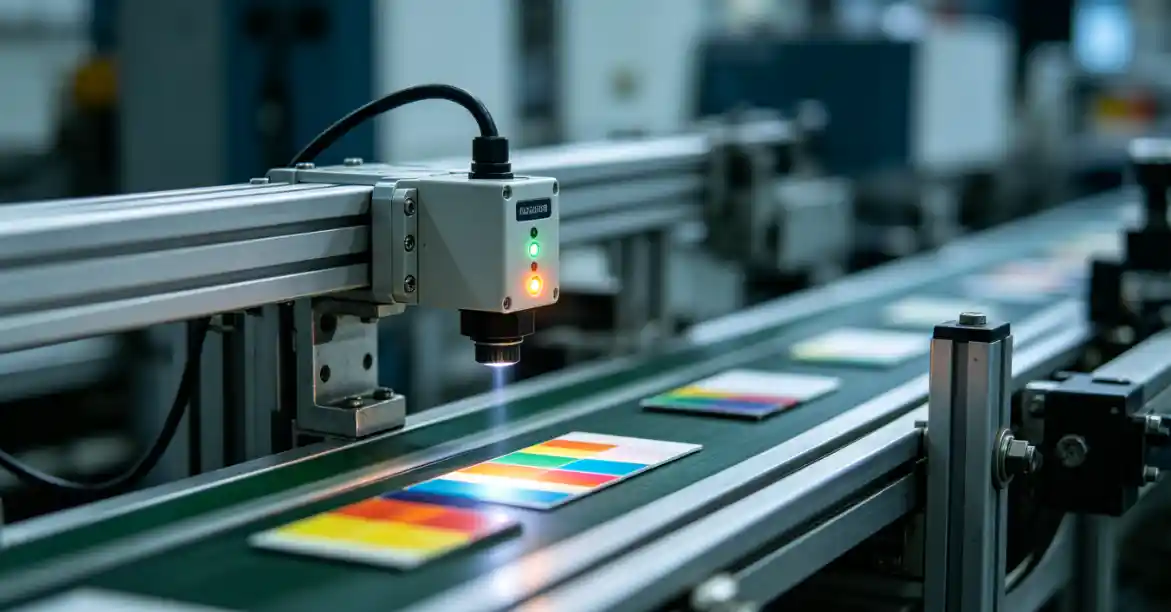
3. The application of color sensors in industrial equipment

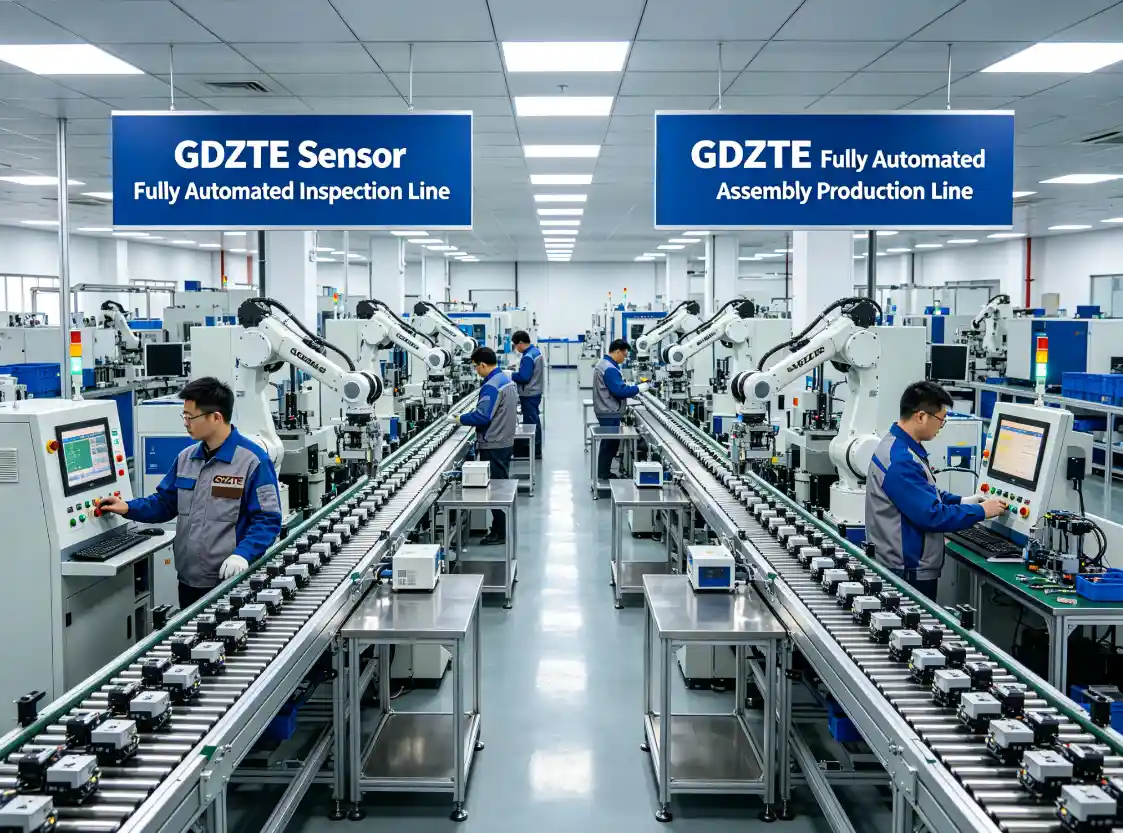
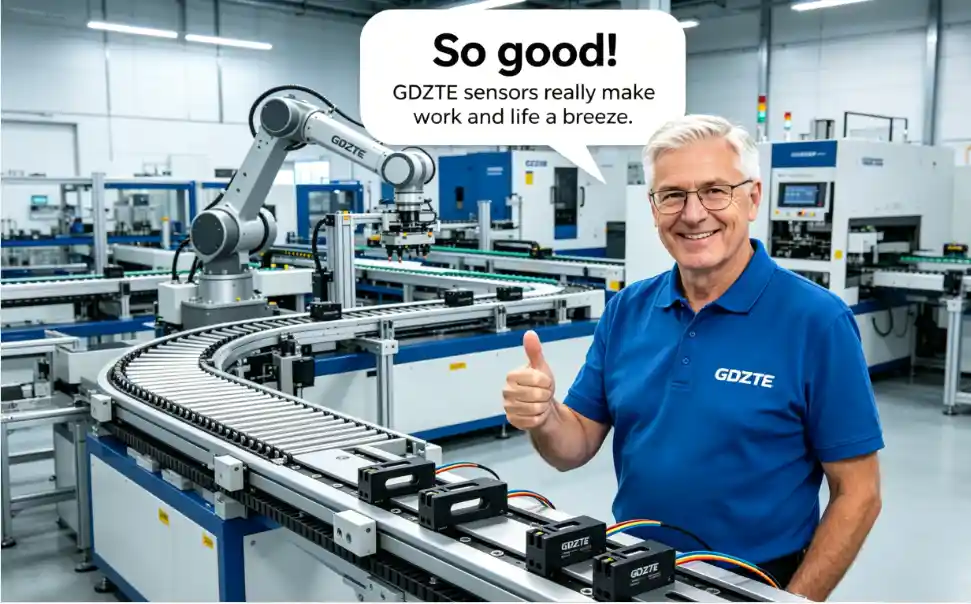
It acts like a precise "color quality inspector," capable of real-time checking whether the color of items on the conveyor belt meets preset standards. On production lines in industries like electronics, toys, and printing, color sensors can quickly identify products with color deviations and automatically sort them out, ensuring product quality consistency. With its fast detection speed and high accuracy, it provides crucial support for the automation and intelligence of industrial production.
 
In the automated production process, robotic arms need to perform different operations based on the color of the items, such as grasping, handling, and assembling. Color sensors act like the robotic arms' "visual assistants," accurately identifying the color of the items and transmitting that information to the robotic arms' control system, allowing them to precisely complete the corresponding tasks. Their application greatly enhances the flexibility and adaptability of robotic arms, enabling automated production lines to handle a wider variety of products

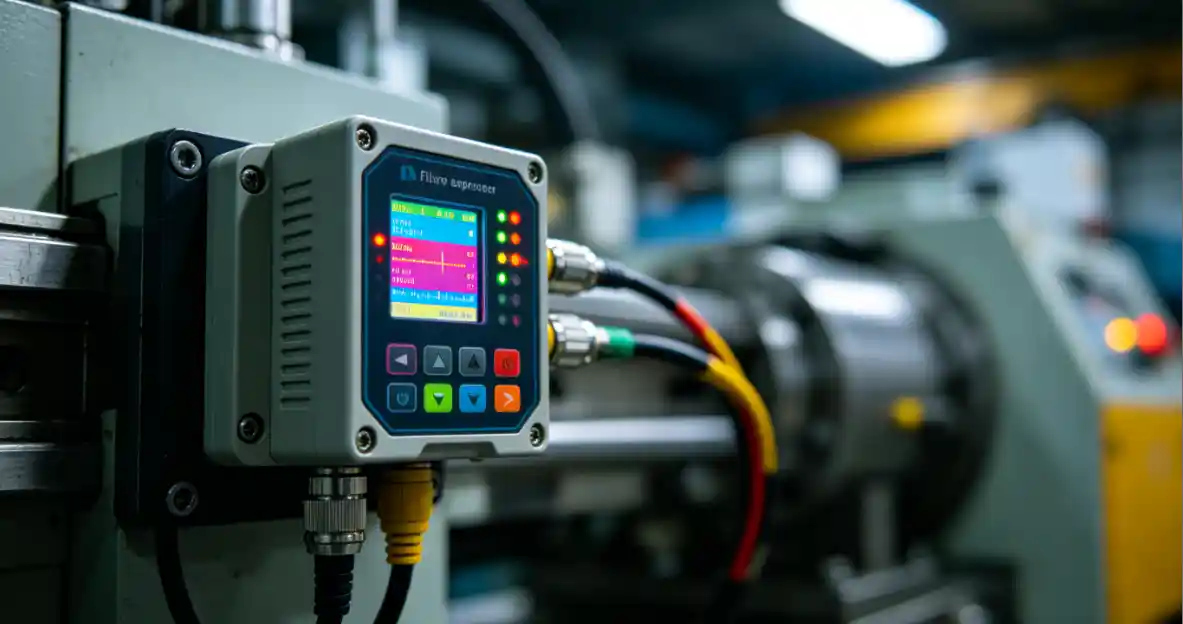
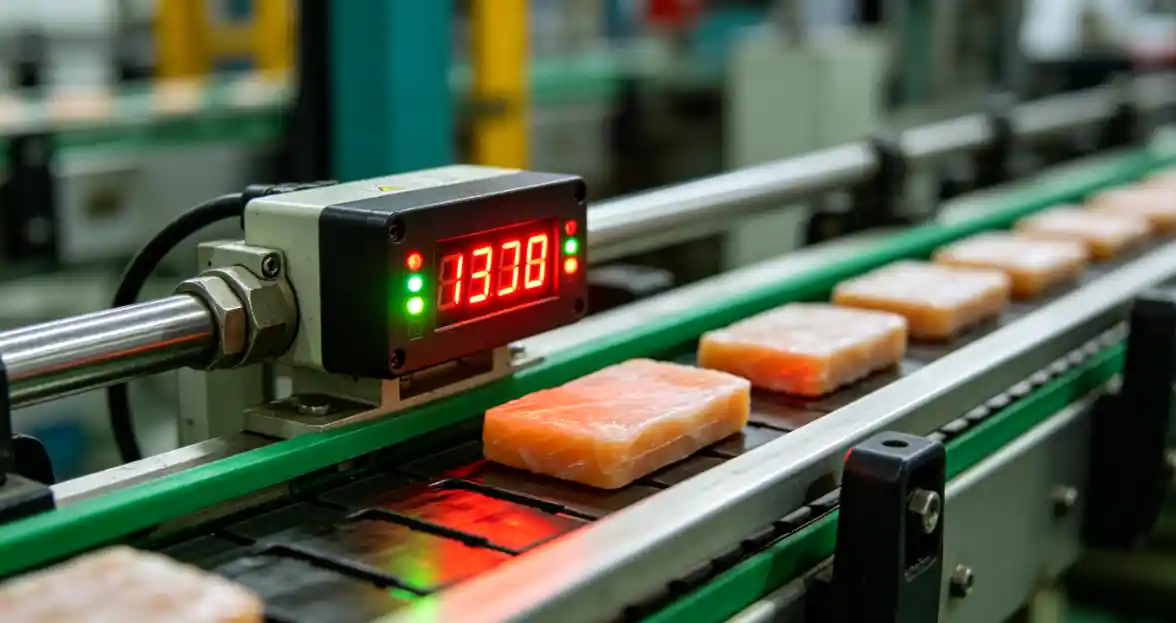
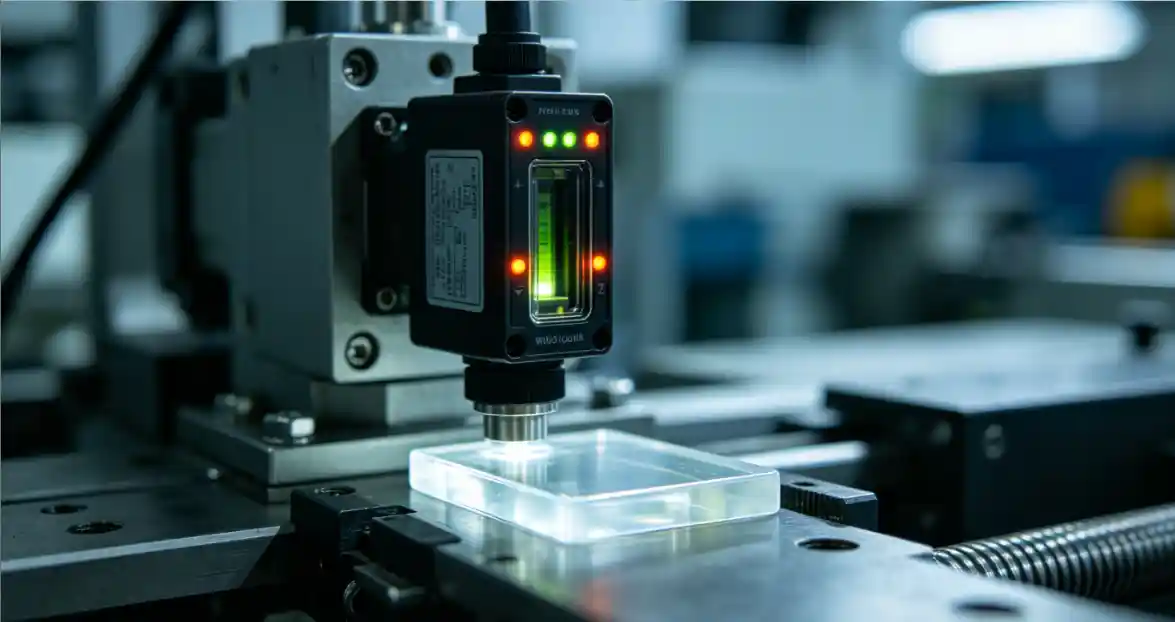
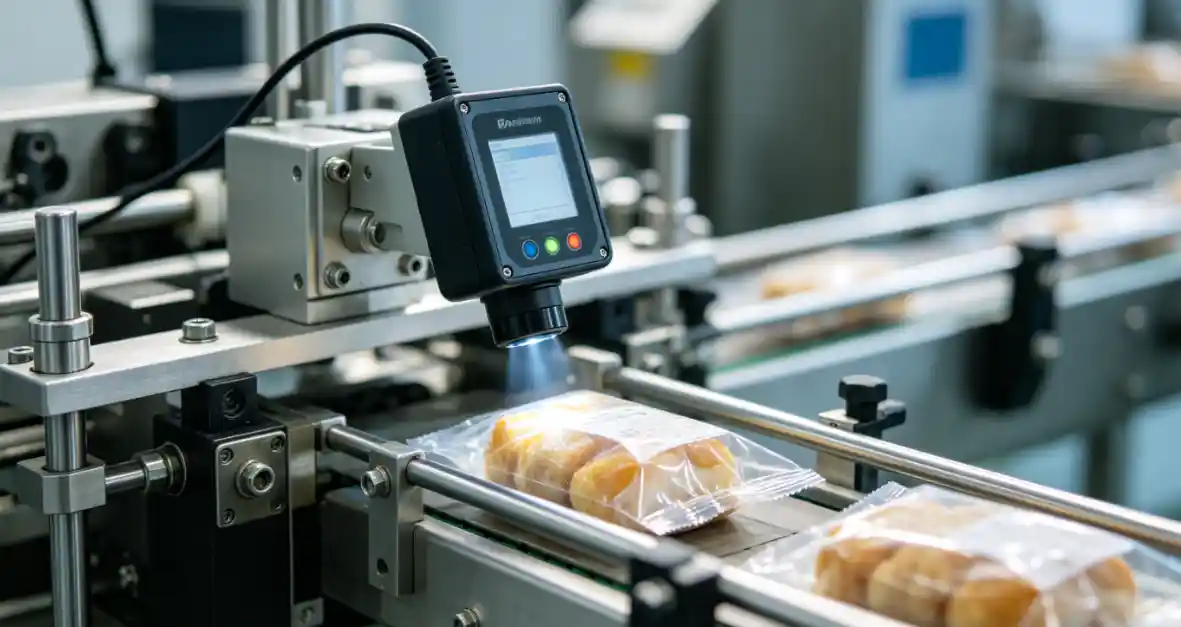
2. Fiber optic amplifiers: the "quality supervisors" of food packaging

During the food packaging process, the amplifier needs to accurately detect whether the items inside the package meet the requirements, such as quantity, position, and integrity. The fiber optic amplifier acts like a "quality inspector" - by detecting the intensity of light signals received by the fiber optic sensors, it can instantly determine whether the items in the package are compliant and send that information back to the packaging machine's control system. This allows the packaging machine to adjust its parameters based on the detection results, ensuring packaging quality. With its high precision and fast speed, it can meet the high-speed, high-efficiency production demands of the food packaging industry.
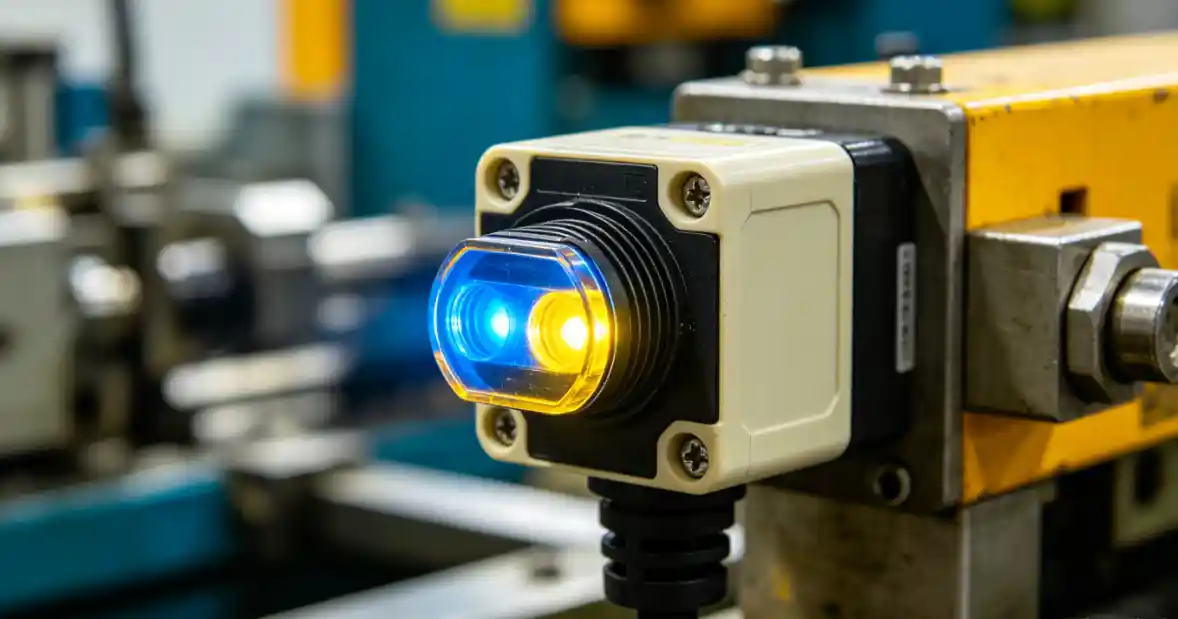
This close-up shows a color sensor installed on an automotive parts production line, detecting whether the color of the parts meets the standards. In the automotive manufacturing industry, color consistency of parts is extremely important as it directly affects the car's appearance quality and brand image. The color sensor acts like a "color inspector," accurately detecting whether the part's color matches the preset standards and automatically sorting out any parts with color deviations, ensuring color consistency across all auto components. Its application provides crucial support for automation and intelligence in the automotive manufacturing sector.

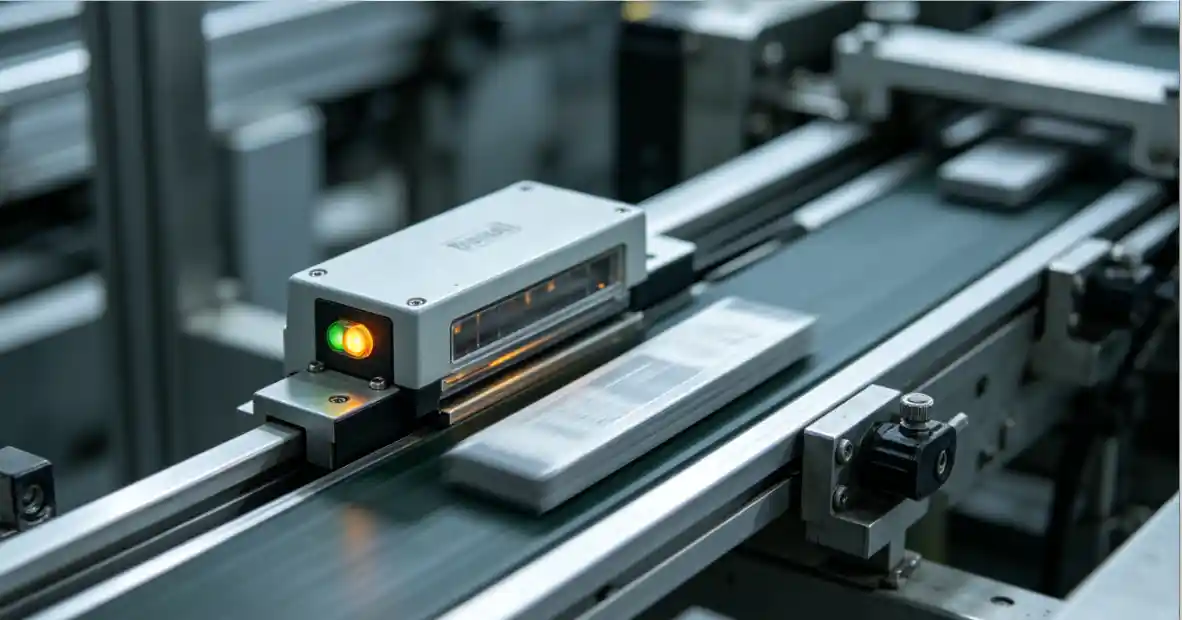
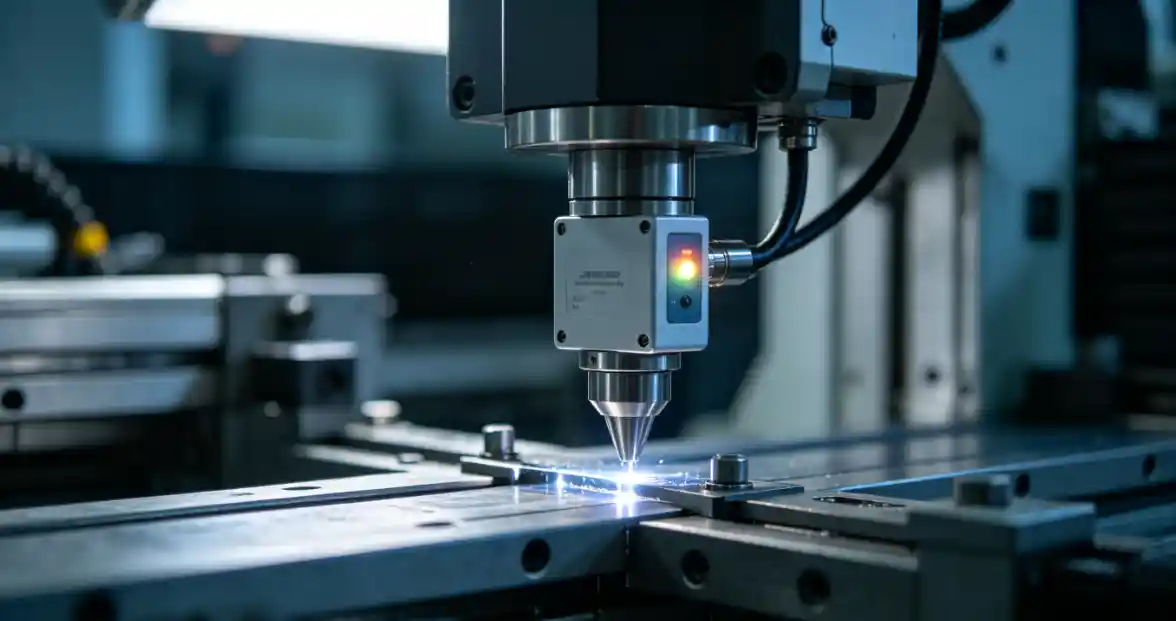
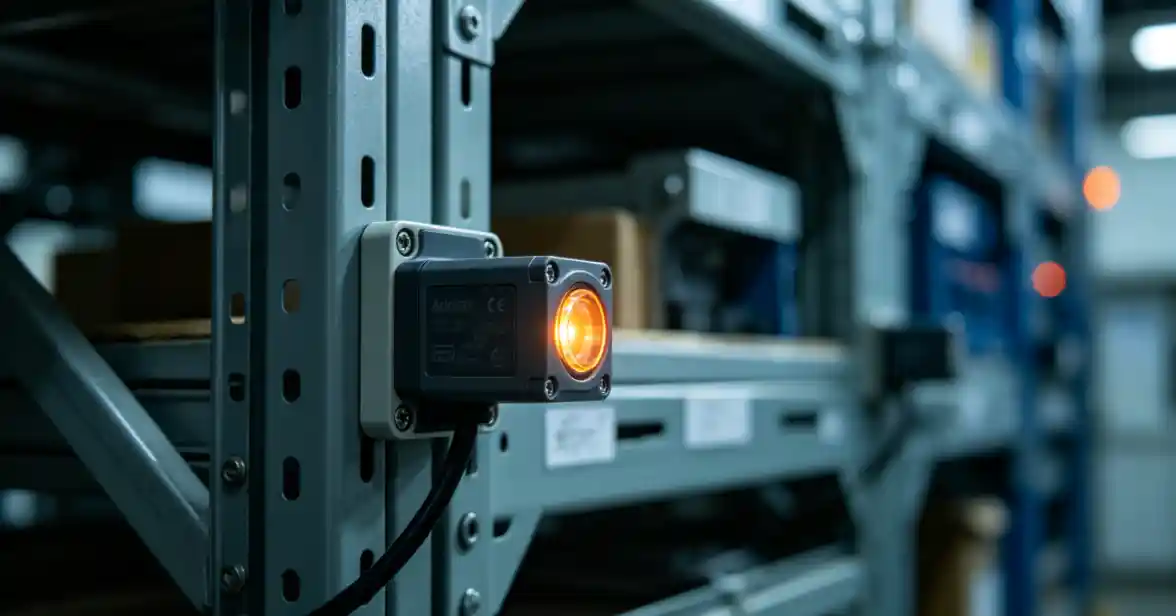
1. Laser proximity sensor: the precision positioning sentinel for industrial automation production lines

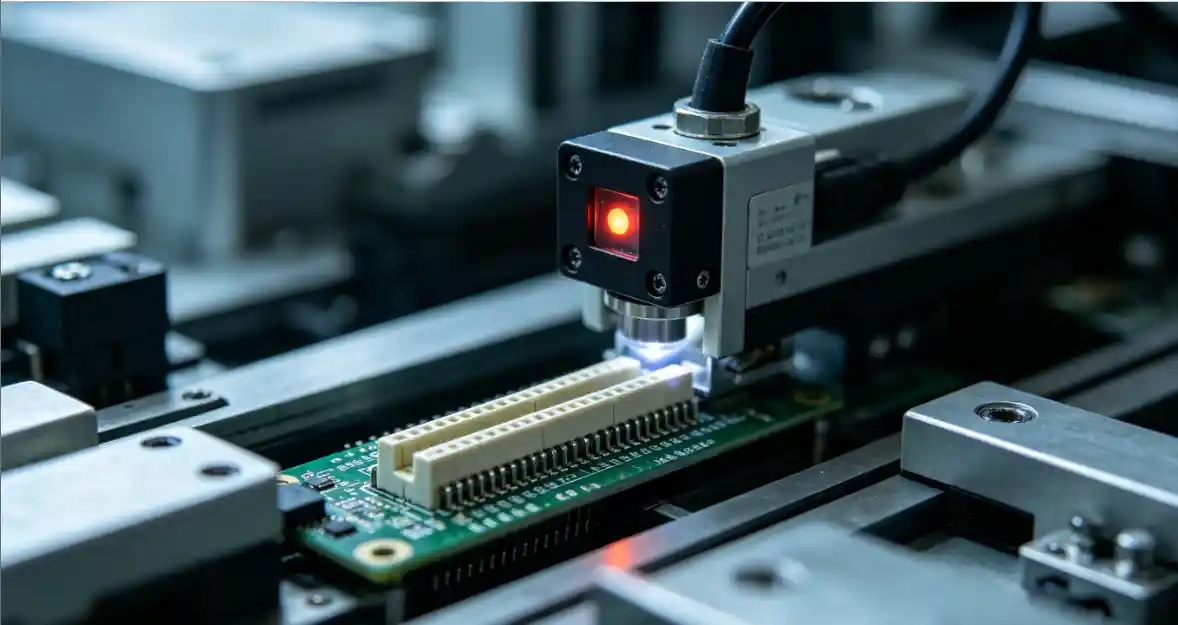
The sensor features a fully metal stainless steel threaded housing, offering excellent resistance to oil, dust, and vibration. It can operate reliably in harsh industrial environments such as machine tool processing, spray painting workshops, and warehousing conveyors, without false triggering or detection failures due to equipment vibration or workshop dust and oil contamination. Compared to ordinary diffuse reflector photoelectric sensors, the laser proximity sensor has a smaller spot size and higher detection accuracy, enabling precise identification of small parts. It is highly suitable for high-precision workstation positioning of tiny electronic components.

发表回复

您的邮箱地址不会被公开。 必填项已用 * 标注